Are you in search of advise concerning Why It's Important to Fix Leaky Faucets?
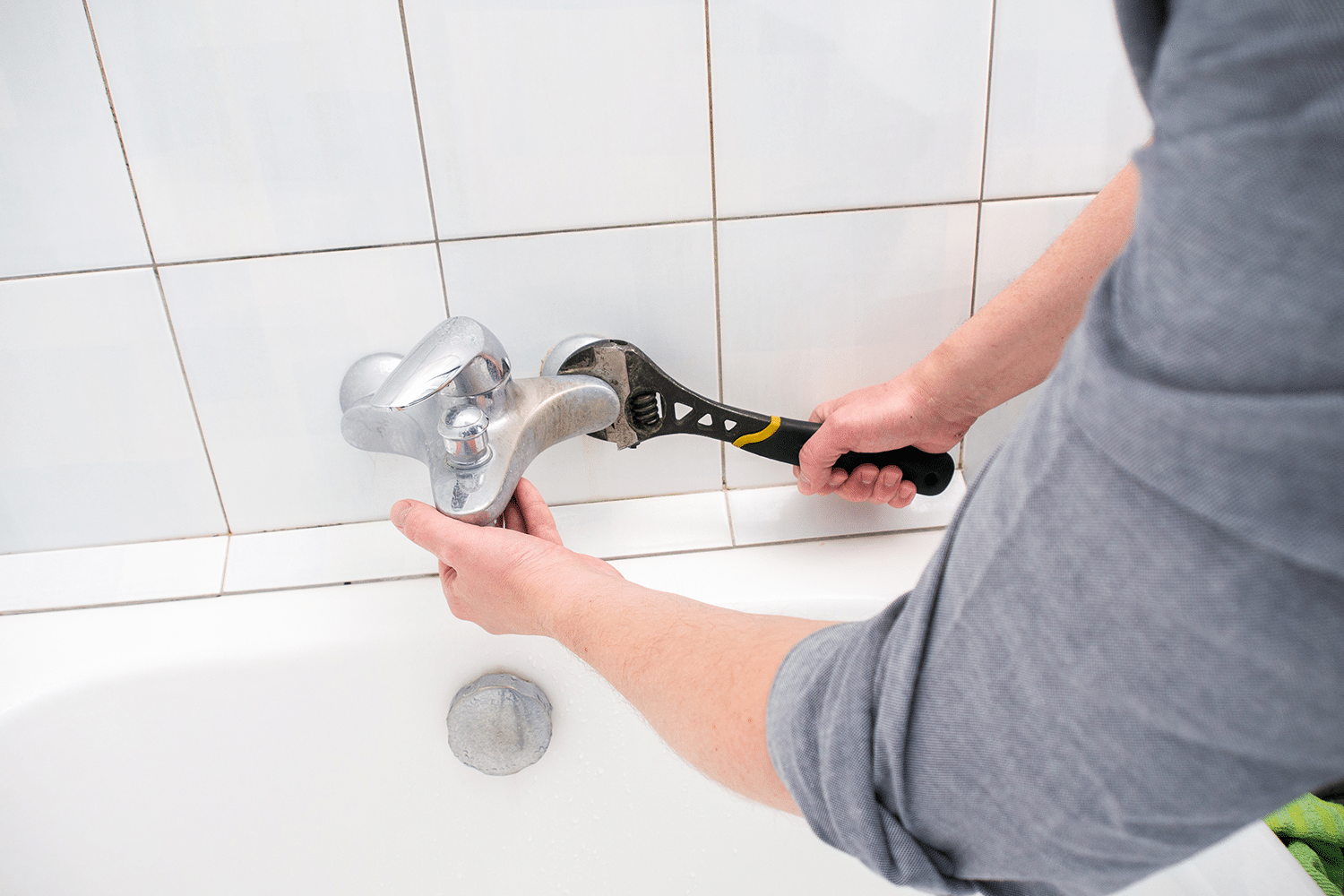
Leaking faucets might appear like a small inconvenience, but their influence goes beyond just the inconvenience of the sound. From wasting water to incurring unnecessary monetary expenses and health and wellness risks, disregarding a dripping tap can bring about different repercussions. In this article, we'll explore why it's important to address this usual family issue promptly and successfully.
Wastage of Water
Ecological Effect
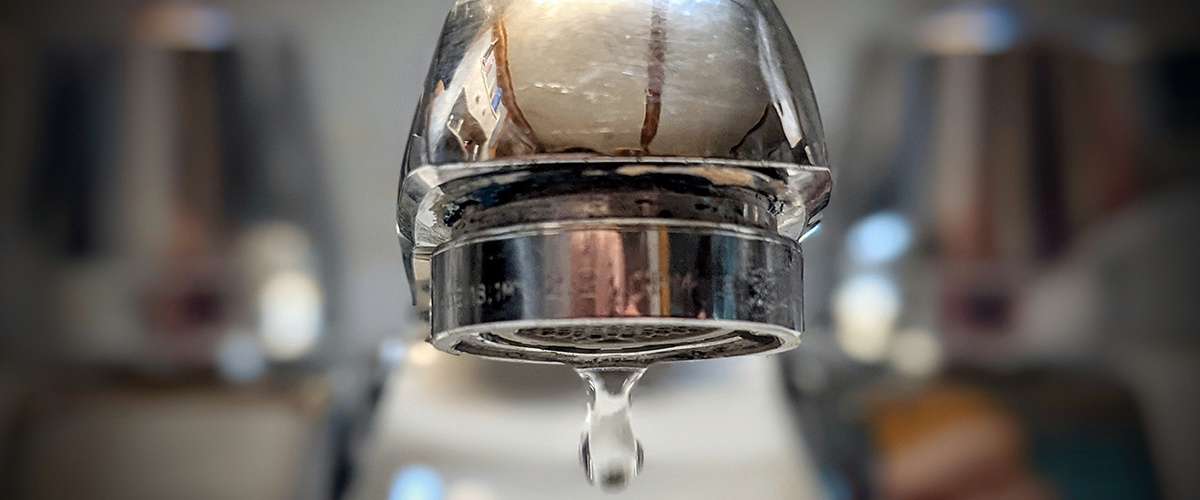
Trickling faucets add substantially to water wastefulness. According to the Environmental Protection Agency (EPA), a solitary faucet trickling at one drip per second can lose greater than 3,000 gallons of water annually. This not just strains water resources however additionally affects communities and wild animals depending on them.
Financial Costs
Enhanced Water Expenses
Past the environmental effect, dripping taps can inflate water expenses substantially. The collected wastage gradually translates into greater utility costs, which can have been prevented with prompt repairs.
Prospective Residential Or Commercial Property Damages
Furthermore, extended trickling can lead to damage to fixtures and surface areas bordering the tap. Water accumulation can cause staining, rust, and also architectural concerns if left unattended, resulting in additional repair work expenses.
Health and wellness Worries
Mold And Mildew and Mold Growth
The continuous existence of wetness from a trickling faucet creates an ideal atmosphere for mold and mildew growth. These fungi not just endanger interior air high quality however likewise pose health threats, specifically for individuals with breathing conditions or allergic reactions.
Waterborne Illness
Stagnant water in trickling faucets can become a breeding place for germs and various other microorganisms, increasing the threat of waterborne diseases. Impurities such as Legionella bacteria thrive in stationary water, potentially causing major ailments when ingested or inhaled.
Do it yourself vs. Professional Repair service
Pros and Cons of Do It Yourself Fixing
While some may attempt to repair a trickling tap themselves, do it yourself repairs include their very own collection of obstacles. Without proper knowledge and tools, DIY attempts can worsen the concern or bring about insufficient repairs, extending the issue.
Advantages of Employing an Expert Plumber
Employing an expert plumber guarantees that the underlying reason for the leaking faucet is addressed effectively. Plumbers have the proficiency and equipment to detect and fix faucet concerns successfully, saving time and minimizing the threat of additional damage.
Step-by-Step Overview to Repairing a Dripping Tap
Devices Required
Prior to trying to repair a trickling faucet, collect the required devices, including a flexible wrench, screwdrivers, replacement components (such as washers or cartridges), and plumber's tape.
Typical Tap Issues and Their Solutions
Determine the sort of faucet and the details problem causing the drip. Common problems consist of worn-out washers, rusty valve seats, or faulty O-rings. Refer to producer guidelines or on-line tutorials for detailed guidance on repairs.
Safety nets
Routine Upkeep Tips
To avoid trickling taps, carry out regular maintenance such as cleaning up aerators, evaluating for leaks, and replacing damaged parts immediately. In addition, consider setting up water-saving tools or upgrading to a lot more reliable fixtures.
Significance of Prompt Services
Attending to dripping taps as soon as they're seen stops further water waste and prospective damage, eventually saving both water and cash in the future.
Impact on Residential Property Value
Assumption of Well-Maintained Building
Preserving a building in good condition, consisting of addressing upkeep problems like trickling faucets, enhances its perceived value and value amongst potential buyers or tenants.
Influence on Resale Value
Qualities with well-maintained plumbing fixtures, consisting of faucets, command higher resale values in the real estate market. Dealing with dripping faucets can add to a favorable perception during residential property examinations and settlements.
Environmental Obligation
Specific Payment to Preservation
Taking duty for taking care of leaking faucets aligns with broader initiatives toward water preservation and environmental sustainability. Every individual's actions collectively make a substantial impact on maintaining precious resources.
Lasting Living Practices
By focusing on prompt fixings and adopting water-saving practices, individuals add to lasting living methods that profit both existing and future generations.
Final thought
Attending to a trickling faucet goes beyond plain benefit; it's a vital action toward preserving water, lowering financial expenses, and securing health and wellness and residential or commercial property. Whether with do it yourself repairs or professional aid, acting to deal with dripping taps is a tiny yet impactful method to advertise liable stewardship of sources and contribute to a much healthier, much more lasting future.
How to Fix a Leaky Faucet: Step-by-Step Repair Guide
A leaky faucet may seem like a simple annoyance, but if it's not fixed promptly, that leak could cost hundreds to potentially thousands. From water damage to mold, mildew, and high water bills, even a tiny leak can be catastrophic if left unattended. Damage like this can even affect the overall value of your home, so it's important to take the right approach for leaky faucet repair. You may need the help of a plumber in some cases, but we've got a few tips you can try on how to fix a leaky faucet before calling the pros.
Four Faucet Types
When you're learning how to fix a leaky faucet, the first step is knowing what kind of faucet you're working with! There are four common types.
Cartridge Faucets
Cartridge faucets come in one- or two-handled varieties. In one-handled cartridge faucets, hot and cold water combines in a single cartridge. In the two-handled versions, hot and cold water are controlled separately and mixed in the faucet.
Ball Faucets
Ball faucets have a single lever you push up and down to adjust the pressure and rotate to change the temperature. A slotted metal ball controls the amount of water allowed into the spout.
Compression Washer Faucets
They're the oldest type of faucet, but they're still used in many homes — especially older ones. Compression faucets have two separate handles that, when turned, raise or lower the washer that seals a water valve. This valve stops water from flowing through the faucet when it is turned off.
Disc Faucets
Disc faucets rarely need to be repaired due to their maintenance-free design. The water flow is controlled by two discs — the upper one raises and lowers against a fixed lower disc, creating a watertight seal. If your disc faucet starts leaking, you may need to replace the seals or clean residue buildup from the inlets.
Fixing a Leaky Faucet
Step 1: Turn Off the Water
Whether you're learning how to fix a leaky bathtub faucet or how to fix a leaky kitchen faucet, always turn off the water supply to your working area when you're fixing a leak. The last thing you want is a flood added to your list of things to fix.
Look for the shutoff valves below your sink or around the tub and turn them clockwise to stop the water flow. If your faucet doesn't have shutoff valves, you may need to turn off the water for the whole house. Check to make sure it's off by turning the faucet on. If nothing comes out, you're ready to start the repair.
Step 2: Take Apart the Faucet
How you disassemble your faucet depends on the type of fixture you have. You can use a flathead screwdriver to remove the caps on top of the handle or handles for cartridge and compression faucets. Inside, you should see handle screws. Unscrew these with a screwdriver to remove the handle.
Disc- and ball-style faucets will typically have an inlet screw near the handle, and removing that will reveal the interior of the faucet.
Detach the Valve Stem
For cartridge- and compression-style faucets, you'll see the inner valve stem or cartridge once you remove the faucet handles. If you have a compression faucet, unscrew the brass valve stem. If you have a cartridge faucet, pull out the cartridge. If your cartridge has been in place for a while, it may require some tools or extra force to remove it due to mineral deposits.
Examine and Replace Parts
Once you've removed the parts, check them out to confirm what needs to be replaced. You may see corroded rubber washers, O-rings, stems, or cartridges. On a ball-style faucet, check the seats and springs for damage.
If you need to repair a leaky disc faucet, check the inlet and seals on the lower disc.
Once you determine what parts must be replaced, visit your local hardware store. Bring the damaged parts with you to ensure you can purchase the correct components to replace them.
Clean Valves and Faucet Cavity
If you've removed a stem or cartridge, you may notice mineral buildup in the faucet's threads. Use white vinegar to clean the valve seat by soaking it for a few minutes, then scrub it away with a soft toothbrush and rinse with warm water. You can also clean the interior of the faucet in the same way.
Reassemble the Faucet
Once your faucet is cleaned and the required parts have been replaced, it's time to reassemble it. Put the pieces back together and slowly turn the water supply back on. Doing this slowly is crucial because too much initial water pressure can damage the new hardware you've just installed.
https://homewarranty.firstam.com/blog/how-to-fix-leaky-faucet
We are very occupied with What Causes Leaky Faucets & How To Fix Them and I'm hoping you appreciated my piece. Feel free to take the opportunity to distribute this entry if you enjoyed it. I praise you for being here. Come back soon.